

 English
 русский
 Español
 عربى
عربى
If you are specifying aluminium tiles for a roofing project, the practical conclusion to start with is this: aluminium tile systems deliver a combination of corrosion resistance, light weight, design flexibility, and long service life that few other tile materials can match, provided you confirm the alloy, coating system, and substrate profile for your specific building context.
This guide is written for architects, contractors, and building owners who need a clear decision-making path when evaluating aluminium roof tiles. Rather than repeating generic marketing claims, the focus below is on measurable performance factors, typical installation considerations, and the maintenance practices that actually influence how well an aluminium tile roof performs after 10 or 20 years in service.
محتوى
- 1 Core Technical Characteristics of Aluminium Tiles
- 2 Comparative Performance of Aluminium Tiles vs. Conventional Roofing Materials
- 3 Hidden Performance Indicators That Affect Aluminium Tile Selection
- 4 Where Aluminium Tiles Are Applied in the Building Sector
- 5 Selection Guide: Matching Aluminium Tile Profile to Project Needs
- 6 Installation and Maintenance Practices That Extend Roof Life
Core Technical Characteristics of Aluminium Tiles
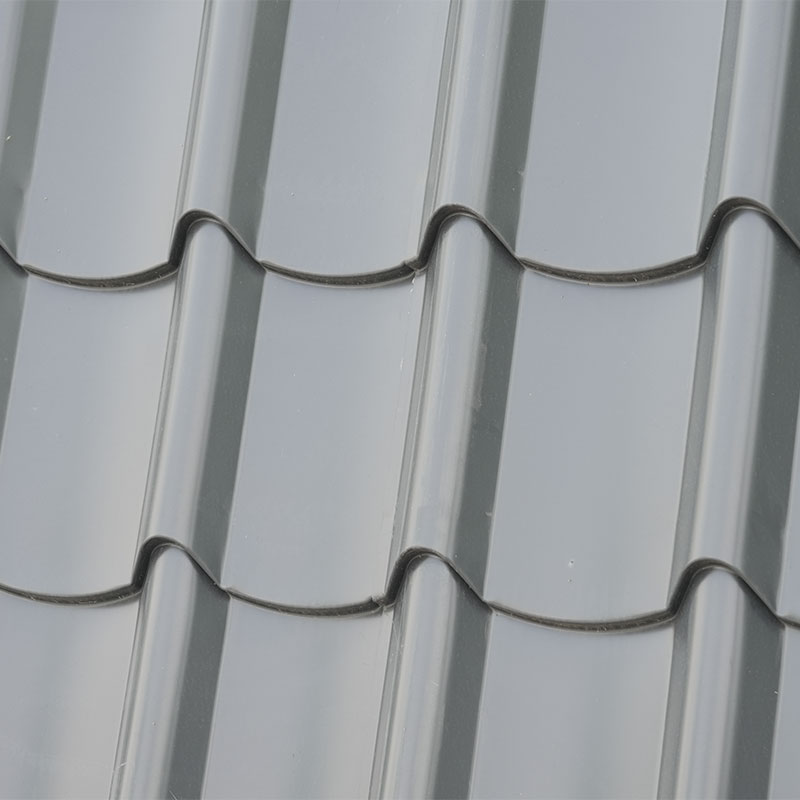
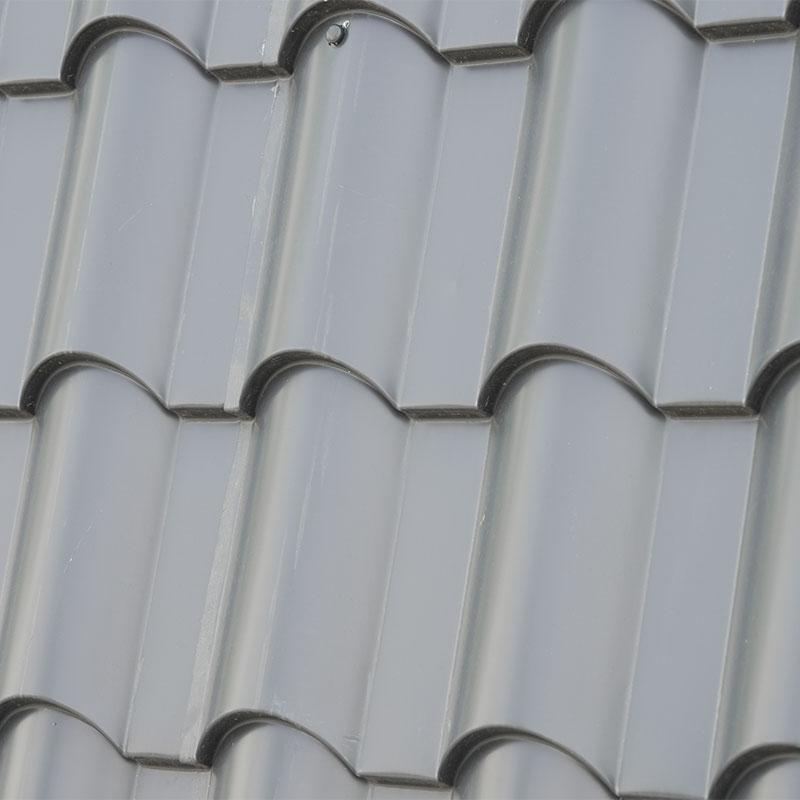
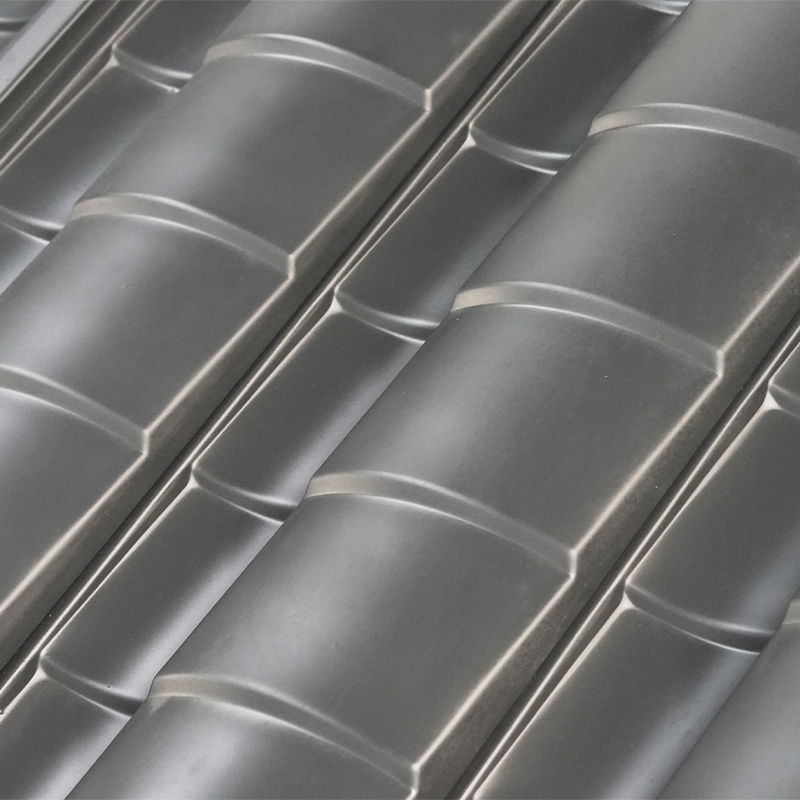
Aluminium roof tiles are formed from rolled aluminium sheet, usually in a magnesium-manganese alloy series that improves strength while preserving formability. The tiles are produced through a sequence of blanking, stamping or roll-forming, and surface finishing, which gives them a precise shape and a consistent coating that withstands UV exposure, humidity, and thermal cycling. The result is a tile that performs like a traditional clay or concrete unit in appearance, but with a very different physical behaviour.
Light Weight
A typical aluminium tile weighs roughly one-third to one-half of a concrete tile of the same coverage area. This reduces the structural load on rafters and purlins, which matters in retrofit projects where strengthening the roof structure is costly.
Corrosion Resistance
The aluminium oxide layer that forms naturally on the surface is self-repairing. When paired with a fluorocarbon or polyester coating, the tile offers strong resistance to salt-laden coastal air, industrial pollution, and acid rain.
Thermal Performance
Bare metal reflects a significant portion of solar radiation, and most aluminium tiles are installed over an air gap or insulated substrate. This combination reduces heat gain into the roof deck and lowers cooling loads in warm climates.
Lifecycle Durability
Mill-finished aluminium can last for decades in most environments. With a correctly applied multi-layer coating, the tile keeps its colour and gloss much longer than galvanised steel or bare copper in the same exposure conditions.
Comparative Performance of Aluminium Tiles vs. Conventional Roofing Materials
The table below summarises the most relevant comparisons for a typical residential or small commercial pitched roof. These figures represent common ranges observed in project specifications and manufacturer data, not laboratory extremes.
The practical implication is not that aluminium tiles are always “better” in every dimension. Rather, they are competitive where weight, long-term coating stability, and recyclability are priorities. For heritage or very high-end projects where authentic clay colour depth is required, clay still has an aesthetic advantage that cannot be replicated perfectly by a coated metal surface.
Hidden Performance Indicators That Affect Aluminium Tile Selection
Surface finish is what buyers see, but the longer-term behaviour of an aluminium tile roof is governed by several less obvious factors. The chart below illustrates the relative importance of substrate alloy, coating thickness, and installation details on the overall lifespan of an aluminium tile roof. The values are based on typical field observations and industry guidance.
Alloy choice
30%
Coating system
23%
Substrate
16%
Installation
31%
Three points deserve special attention. First, the alloy grade matters more than most specifiers assume. A low-grade aluminium with poorly controlled trace elements may still form a visible oxide layer, but the mechanical strength after stamping, especially at the tile edges and interlock areas, will be lower. Second, coating thickness on vertical surfaces is often thinner than on the top surface because of the way electrostatic spraying deposits material; an experienced finisher will adjust the process to avoid uneven coverage. Third, the quality of the battens, fasteners, and flashing details can outweigh the difference between two otherwise similar tile products.
Where Aluminium Tiles Are Applied in the Building Sector
The market for aluminium roof tiles is not uniform. Demand is concentrated in building types where the combination of weight, durability, and architectural expression offers a measurable advantage. The following pie chart shows a general distribution of aluminium tile usage across construction segments, based on project-level observations in the metal roofing sector.
Residential projects dominate because single-family roof geometry is often simple enough to allow fast installation, and the low weight of aluminium is a clear benefit when re-roofing over an existing structure. In commercial and institutional buildings, aluminium tiles appear on entrance features, dormers, and accent roofs rather than on full main roofs, where standing seam panels usually win on cost per square metre. Heritage and architectural projects use specialty profiles that replicate traditional shapes; this is where a supplier with a broad range of tile forms becomes valuable.
Selection Guide: Matching Aluminium Tile Profile to Project Needs
The right way to select an aluminium tile is to work backwards from the building’s structural constraints, aesthetic intent, and local climate. The steps below follow that logic in order.
Step 1 – Define the load limit
Check the existing roof structure. If the purlins and rafters can handle 60 kg/m², you have many options. If the structure is light, aluminium tiles with a system weight below 7 kg/m² avoid reinforcement work.
Step 2 – Match the visual profile
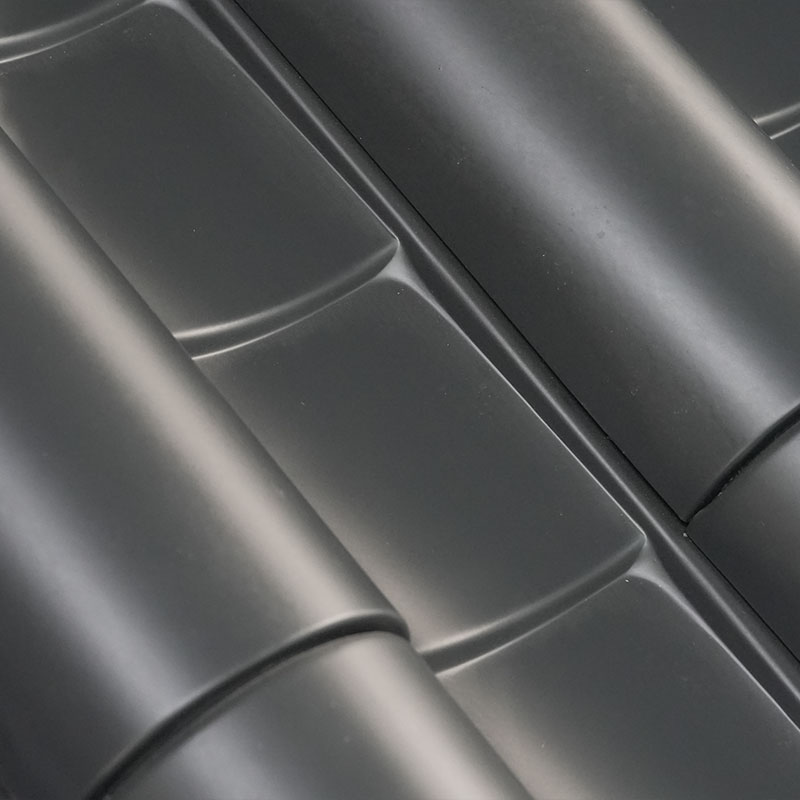
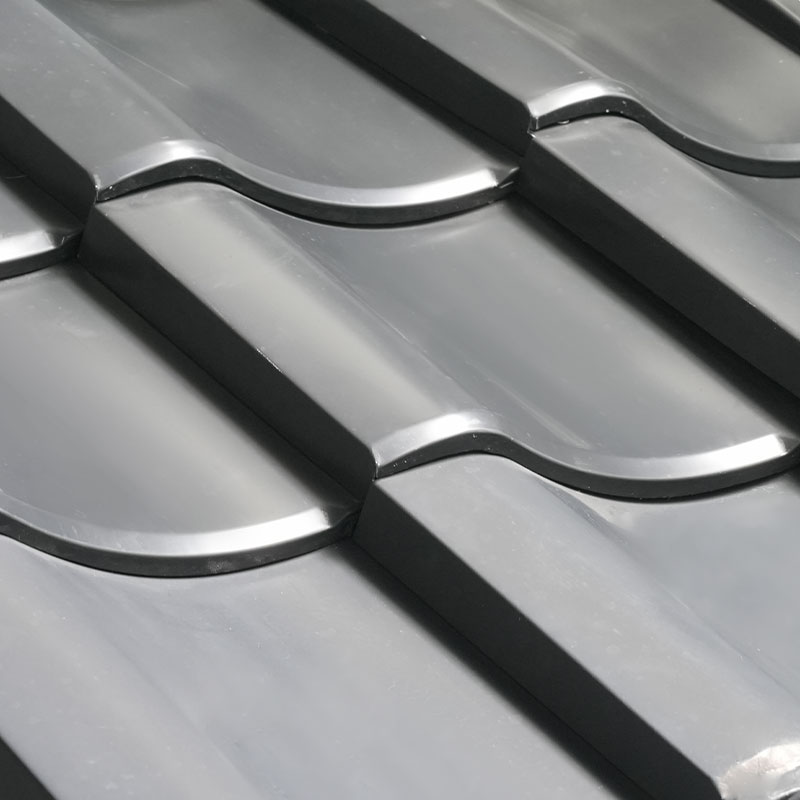
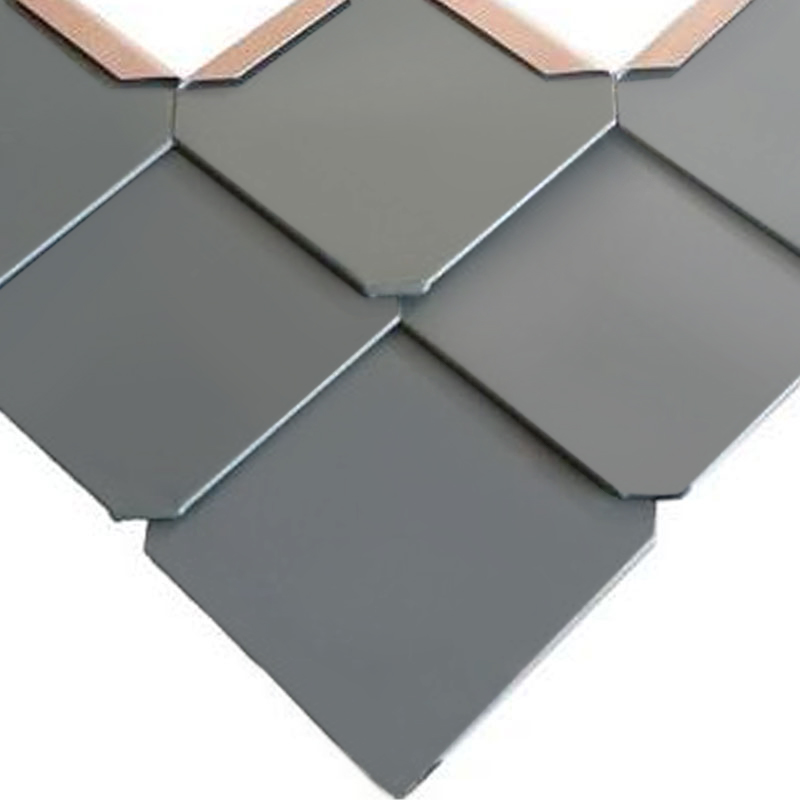
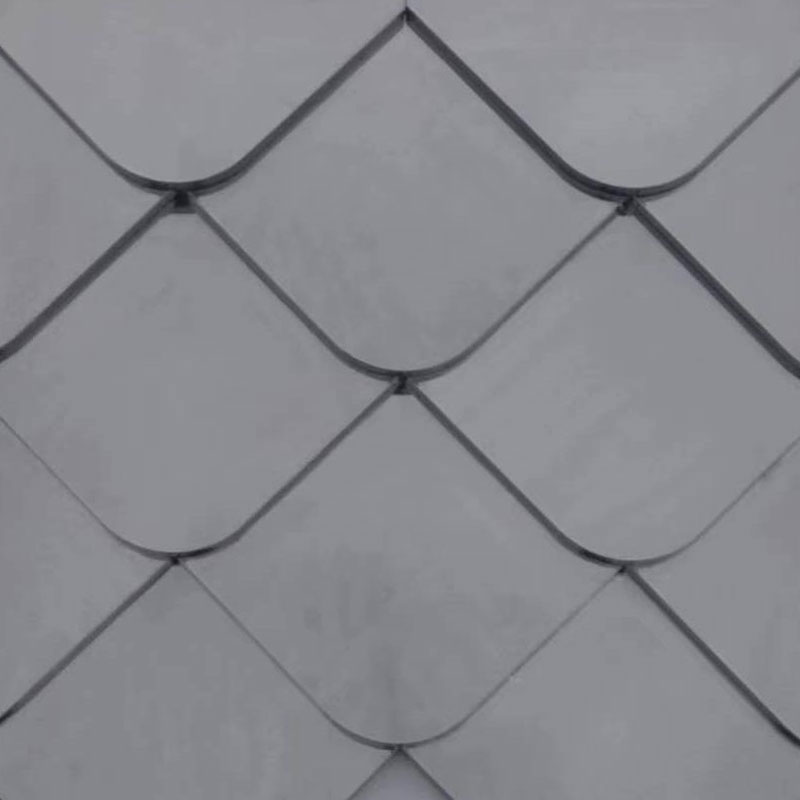
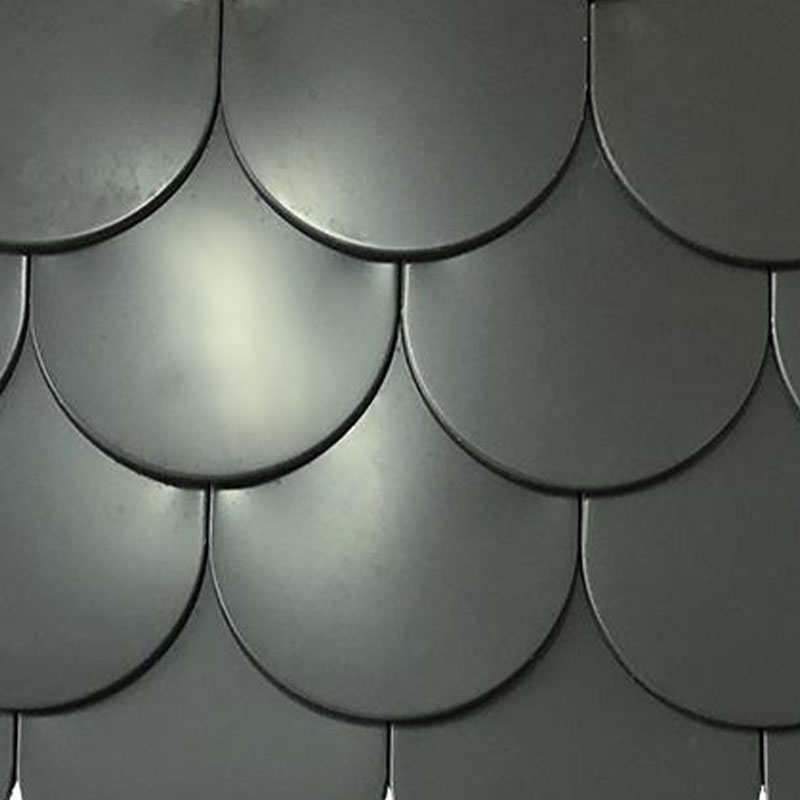
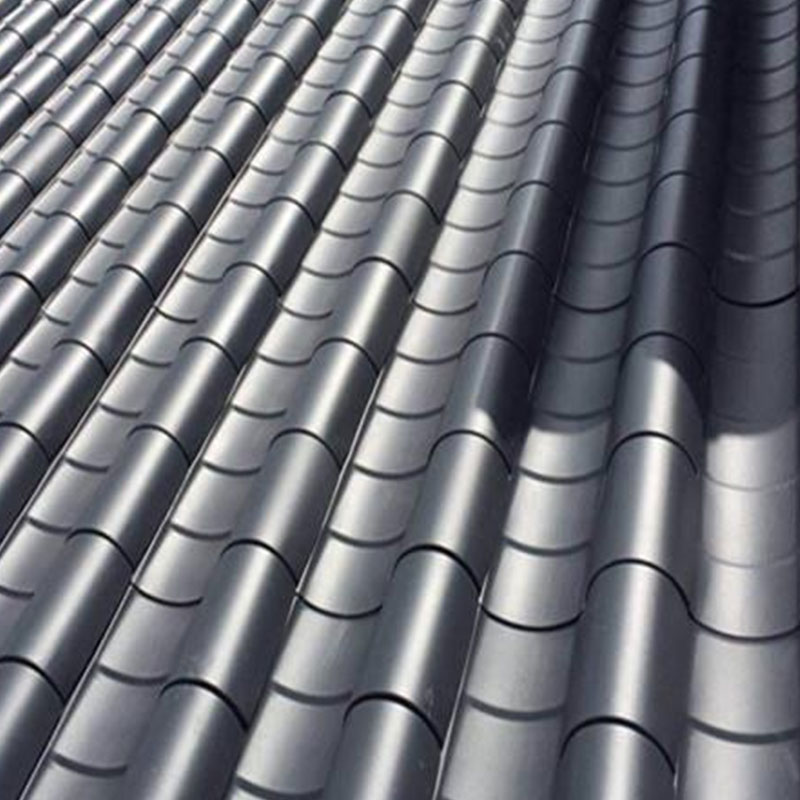
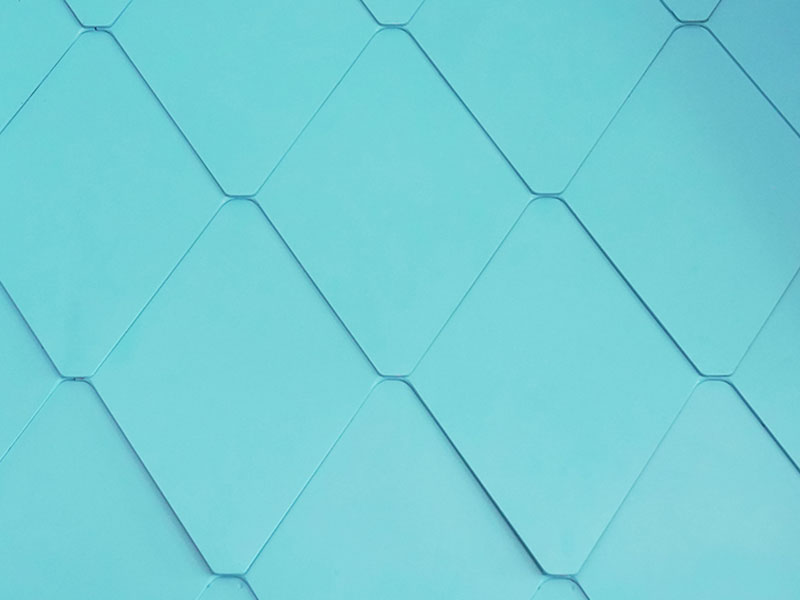
Diamond, fish-scale, flat, and wave profiles each produce a different rhythm on the roof plane. For a traditional or heritage look, a single-lap fish-scale tile can mimic the appearance of classic shingle roofs without the weight.
Step 3 – Confirm the coating
For coastal zones, ask for a fluorocarbon coating with a minimum dry film thickness of 20 microns on the top surface and full edge coverage. In inland climates, a high-durability polyester coating can be sufficient and more economical.
Step 4 – Review the fixing system
Manufacturers that supply matching clips, nails, and flashing profiles reduce the risk of galvanic corrosion at the fixings. Hidden fixing systems are better for steep roofs and high-wind regions.
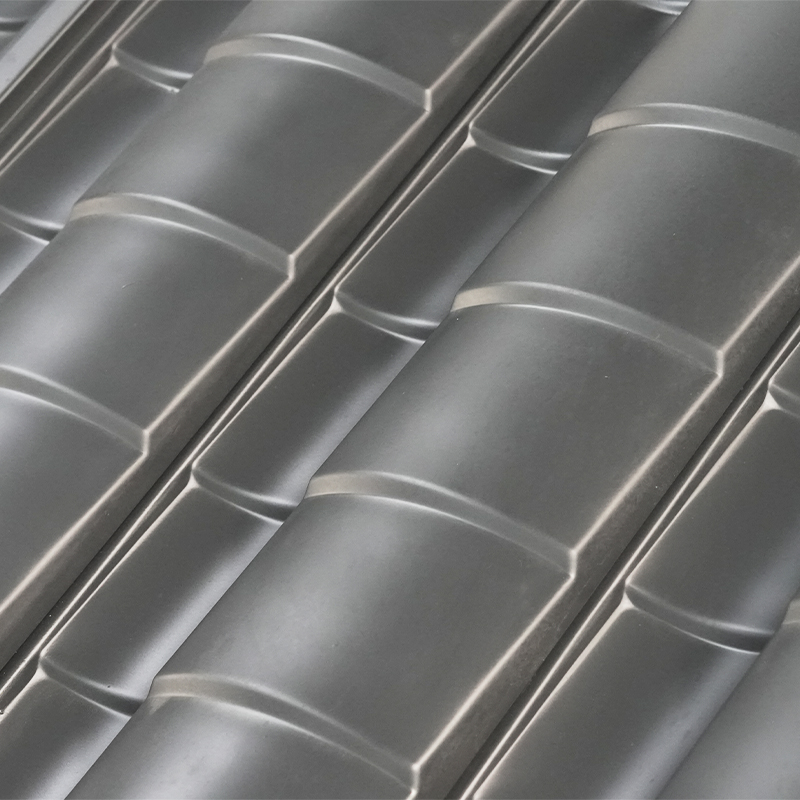
For projects where a specific shape has already been decided, a 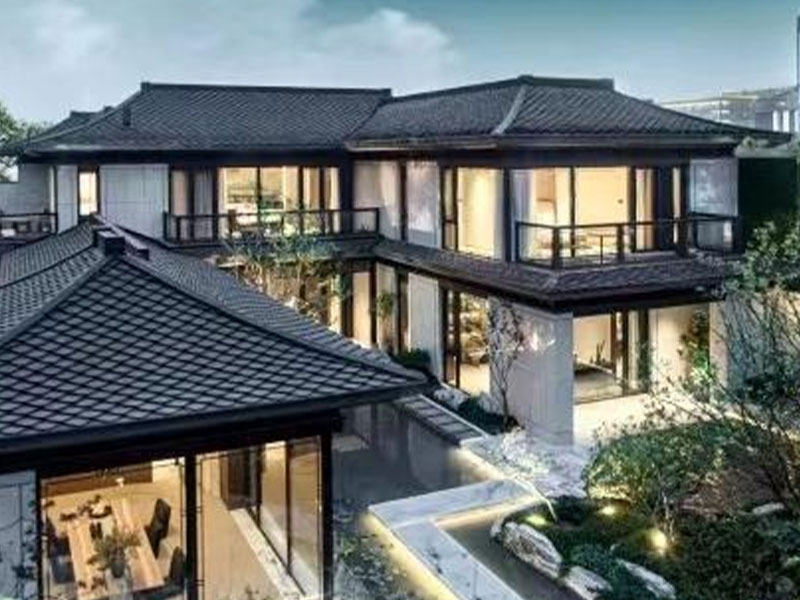 Aluminum-Magnesium-Manganese Diamond Fish-Scale Metal Roof Tile This diamond-shaped fish-scale tile offers a decorative layered roof surface for projects with a fixed profile. Its lightweight, weather-resistant aluminum-magnesium-manganese construction and fire rating make it a durable choice worth specifying. View Product → is often chosen for its decorative layering effect, while a
 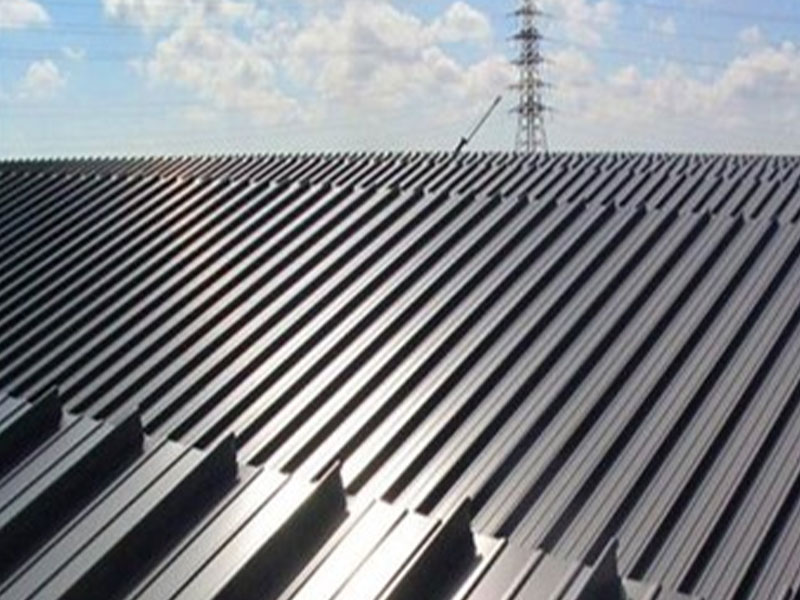 Aluminum-Magnesium-Manganese Standing Seam Metal Roof Tile Featuring an upright edge-locked design, this tile provides a linear, modern roof appearance. It combines strength, waterproofing, corrosion resistance, and easy installation, making it a practical option for contemporary architectural styles. View Product → provides a more linear, modern roof surface. A
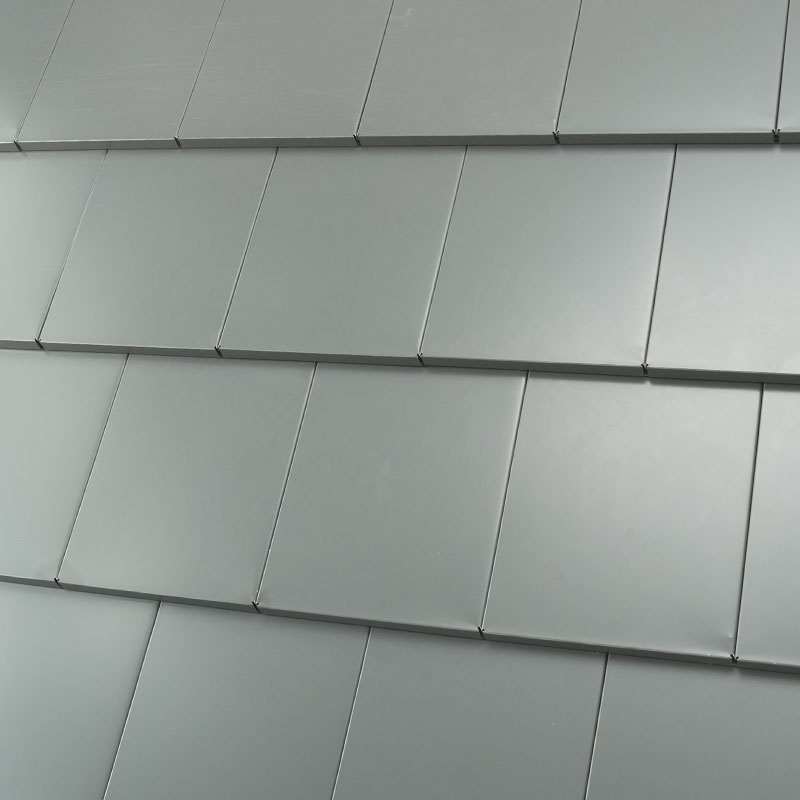
 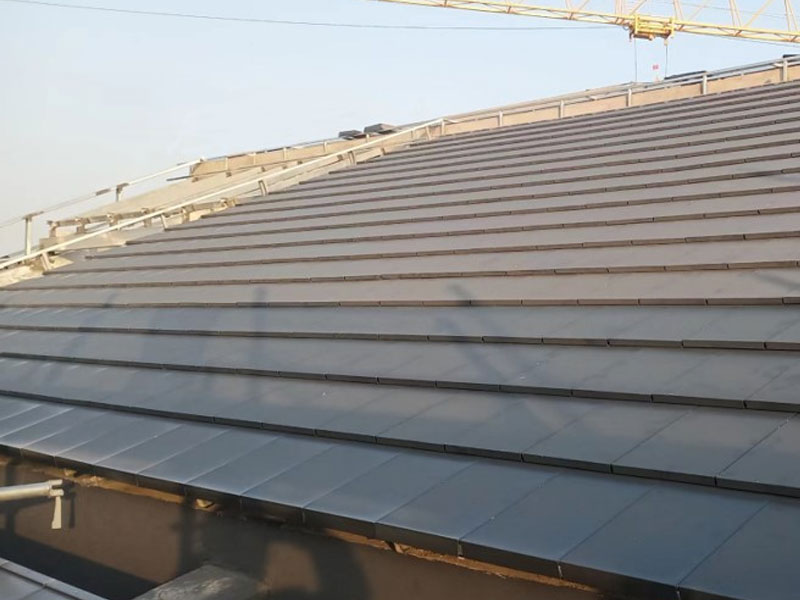 Aluminum-Magnesium-Manganese Flat Metal Roof Tile A flat profile that suits restrained architectural designs where the roof should remain subtle. This tile is thin, space-saving, easy to install, and made from high-strength material with resistance to pressure, folding, and aging for longevity. View Product → suits restrained architectural styles where the roof should not compete with the facade.
Installation and Maintenance Practices That Extend Roof Life
The most common cause of premature failure in aluminium tile roofs is not the tile itself, but the installation details and lack of upkeep around the edges. The following practices are worth writing into the project specification.
During installation, keep the tile surface dry before fastening. Moisture trapped between the tile and the underlayment can lead to localised staining, especially if the coating has been scratched. Use stainless steel or aluminium fasteners only; copper and mild steel fasteners will create galvanic corrosion that spreads from the fixing hole. Leave a small movement gap at the eaves and ridge to accommodate thermal expansion of the aluminium substrate.
For routine maintenance, an annual inspection of flashings, valleys, and gutter outlets is more valuable than cleaning the whole roof. In areas with heavy tree cover, remove leaf accumulation from the valleys twice a year. If the fluorocarbon coating has been damaged by scaffolding or impact, touch up the exposed aluminium with a compatible primer and top coat; a small repair at the damage point prevents much larger discolouration later. Unlike concrete tiles, aluminium tiles do not need water sealing or repointing, but the gutters and downpipes connected to the roof should be checked for debris before the rainy season.
From a compliance standpoint, confirm that the tile system has a fire test certificate relevant to the building type and that the coating meets the local environmental requirements for volatile organic compounds during application. For heritage buildings, check whether the local conservation authority accepts a metal replica profile before ordering the full batch. For more detail on installation and upkeep, see this practical maintenance guide for aluminium roofing sheets .
In summary, aluminium tiles are a rational choice when the project needs a lightweight, corrosion-resistant, recyclable roof covering with a wide range of profiles. The supplier’s ability to supply matching clips and flashings, apply a consistent coating, and deliver the tile in the exact profile you specified is often the deciding factor between a roof that simply lasts and one that causes recurring calls back to the contractor.